Hacking Dev Velocity: A 5-Step Plan to Optimize Your Team's Code and Boost Innovation

The digital landscape is ruthlessly competitive, and the window to capture a user’s attention is shrinking. In this environment, passive websites and static applications are no longer enough to drive conversions. Enter Conversational AI: a technology that is transforming how humans and machines interact. For businesses focused on monetization and scaling, leveraging Conversational AI is no longer just about looking innovative; it is about driving unprecedented levels of engagement, slashing operational costs, and skyrocketing customer lifetime value.
In this comprehensive guide, we will explore how Conversational AI functions, its core profit-driving features, and how you can implement it to elevate your user experience and your bottom line.
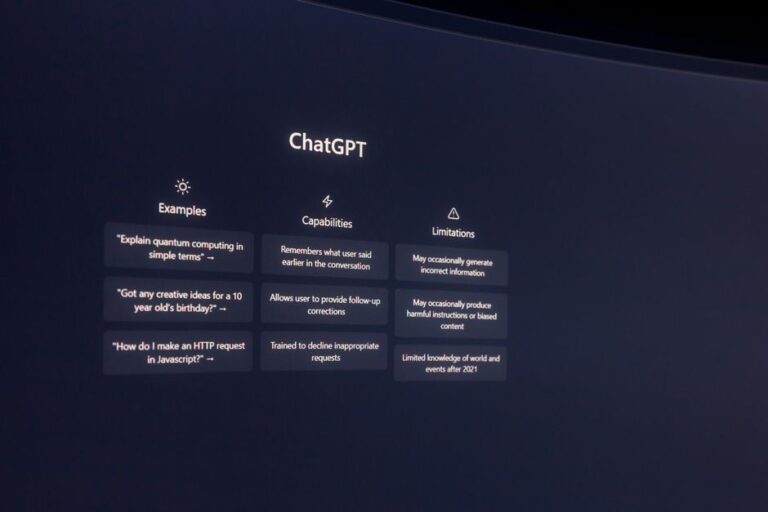
At its core, Conversational AI is the integration of Artificial Intelligence (AI) and Natural Language Processing (NLP) to create intelligent systems capable of engaging in real-time, fluid conversations with humans.
Unlike traditional rule-based chatbots that force users through rigid menus, Conversational AI combines machine learning algorithms with deep linguistic analysis. This allows the system to comprehend context, detect emotional undertones, and accurately determine user intent. Whether deployed in customer service portals, sales chatbots, or voice assistants, this technology acts as an autonomous, 24/7 digital workforce dedicated to optimizing the user journey.
To understand how Conversational AI generates revenue, we must look at the specific capabilities that separate it from basic automated scripts.
| Core Feature | Technical Function | Monetization Value |
| Contextual Understanding | Retains memory of past interactions and understands the context of the current dialogue. | Reduces user frustration, lowering bounce rates and cart abandonment. |
| Intent Recognition | Identifies the exact goal behind a user’s query, regardless of phrasing. | Quickly routes high-intent buyers to checkout or human sales agents. |
| Emotional Intelligence | Analyzes text or voice to gauge user frustration, satisfaction, or urgency. | Allows the AI to deploy empathy, de-escalating issues and preserving brand loyalty. |
| Hyper-Personalization | Adapts responses based on individual user behavior, purchase history, and preferences. | Powers targeted upselling and cross-selling, maximizing average order value. |
Monetization Note: The true financial power of Conversational AI lies in its ability to scale personalized experiences. By making every user feel like they are receiving VIP treatment, businesses can significantly increase both conversion rates and customer retention.
Deploying intelligent conversational systems offers direct impacts on a company’s profitability. Here is how businesses are capitalizing on the technology:
Conversational AI is highly adaptable and can be tailored to drive results across multiple sectors:
In the e-commerce space, AI acts as a virtual personal shopper. It assists with personalized product recommendations, real-time inventory checks, automated order tracking, and frictionless returns, ultimately increasing cart sizes and reducing customer service overhead.
Banks and fintech platforms use virtual assistants to help clients manage accounts, track transactions, and receive basic financial planning advice. This level of immediate, personalized service builds immense trust and keeps users engaged with the financial product.
Conversational AI streamlines patient engagement by handling appointment scheduling, sending medication reminders, and answering basic health inquiries. This improves patient satisfaction and drastically reduces the administrative burden on medical clinics.
While the financial upside is massive, successful implementation requires navigating a few critical hurdles:
What exactly is Conversational AI?
It is a technology that merges Artificial Intelligence and Natural Language Processing to build systems capable of understanding, processing, and responding to human language in a natural, conversational manner.
Can Conversational AI completely replace my human customer support team?
No. While it excels at automating routine tasks and answering common questions, human agents remain essential for handling complex, sensitive issues and building deep, empathetic customer relationships. The AI should act as a filter, not a total replacement.
How does Natural Language Processing (NLP) fit into this?
NLP is the brain’s linguistic center for the AI. It allows the software to break down human sentences, interpret the underlying meaning and intent, and formulate a response that makes grammatical and contextual sense.
How does Conversational AI improve customer service ROI?
It provides instant, 24/7 support, eliminating wait times. This immediate gratification boosts customer satisfaction while allowing your human agents to focus their time on high-value, complex problem-solving that requires human intuition.
What is the future of Conversational AI?
The technology is rapidly advancing toward multimodal interactions (combining text, voice, and visual inputs), deeper sentiment analysis, and even more seamless integration into daily digital workflows, making user experiences increasingly frictionless and profitable.