Optimizing Code Quality: A Step-by-Step Guide to Selecting the Perfect Automated Code Review Tool for Your Dev Team's Unique Needs

As a developer, you’re likely no stranger to the importance of code quality. Poor code can lead to a multitude of problems, from bugs and security vulnerabilities to performance issues and maintenance headaches. However, manually reviewing code can be a time-consuming and tedious process, especially for large projects. This is where automated code review tools come in – but with so many options available, how do you choose the perfect one for your dev team’s unique needs?
Automated code review tools can help identify and fix issues early in the development process, reducing the risk of downstream problems and improving overall code quality. These tools can also provide valuable insights into coding standards and best practices, helping developers improve their skills and adhere to company-wide guidelines.
But what exactly do automated code review tools do, and how do they benefit your dev team? Let’s take a closer look:
With so many automated code review tools available, selecting the perfect one for your dev team can be a daunting task. Here are some key factors to consider when making your decision:
Code Analysis Capabilities: Look for a tool that can analyze your code for a wide range of issues, including syntax errors, security vulnerabilities, and performance issues.
Code Review Features: Consider a tool that offers in-depth code review capabilities, including feedback on coding standards and best practices.
Integration: Choose a tool that integrates seamlessly with your development environment and version control system.
Scalability: Select a tool that can handle large codebases and scale with your team’s growth.
Some popular automated code review tools include:
Here’s a comparison of some popular automated code review tools:
| Tool | Code Analysis Capabilities | Code Review Features | Integration | Scalability |
|---|---|---|---|---|
| CodeFactor | Security, performance, syntax errors | In-depth feedback on coding standards and best practices | Seamless integration with popular development environments | Handles large codebases and scales with team growth |
| CodeClimate | Coding standards, best practices, security | Feedback on coding standards and best practices | Integrates with popular version control systems | Scalable for large codebases and teams |
| CodePro AnalytiX | Security, performance, syntax errors | In-depth feedback on coding standards and best practices | Seamless integration with popular development environments | Handles large codebases and scales with team growth |
Here’s a step-by-step guide to selecting the perfect automated code review tool for your dev team’s unique needs:
Optimizing code quality is crucial for any dev team, and automated code review tools can play a vital role in achieving this goal. By understanding the benefits of automated code review, choosing the right tool, and following a step-by-step guide, you can select the perfect tool for your team’s unique needs. Remember to evaluate integration and scalability, test and evaluate the tool, and choose the perfect tool that meets your needs and expectations.
Here are some frequently asked questions about optimizing code quality and selecting the perfect automated code review tool:
A: Automated code review tools can help identify and fix issues early in the development process, reducing the risk of downstream problems and improving overall code quality. These tools can also provide valuable insights into coding standards and best practices, helping developers improve their skills and adhere to company-wide guidelines.
A: When choosing an automated code review tool, consider factors such as code analysis capabilities, code review features, integration, and scalability. Research popular tools, evaluate their features and capabilities, and test and evaluate the tool with a small pilot project or team.
A: A good automated code review tool should offer code analysis capabilities, code review features, integration with popular development environments and version control systems, and scalability for large codebases and teams.
A: Yes, you can use multiple automated code review tools, depending on your team’s specific needs and requirements. However, ensure that the tools integrate seamlessly with each other and do not conflict with each other’s functionality.
A: To implement automated code review in your development process, integrate the tool with your development environment and version control system, configure the tool to meet your team’s specific needs, and ensure that developers follow the tool’s recommendations and suggestions.
Implementing automated code review requires careful planning, execution, and maintenance. Here are some best practices to consider:
Develop clear guidelines and standards for code quality, style, and structure. This will help ensure that all developers are working towards the same goals and that the automated code review tool can effectively evaluate code quality.
Integrate the automated code review tool with your existing development tools, such as IDEs, version control systems, and continuous integration/continuous deployment (CI/CD) pipelines. This will help streamline the development process and reduce the risk of errors.
Configure the automated code review tool to meet your team’s specific needs and requirements. This may involve customizing rules, settings, and thresholds to ensure that the tool is evaluating code quality effectively.
Train developers on the use of the automated code review tool, including how to interpret feedback and suggestions. This will help ensure that developers understand the tool’s recommendations and can effectively incorporate them into their code.
Monitor the performance of the automated code review tool and refine its settings and rules as needed. This will help ensure that the tool is accurately evaluating code quality and providing effective feedback to developers.
Implementing automated code review can be challenging, but there are solutions to common problems:
False positives and false negatives can occur when the automated code review tool incorrectly flags or misses code issues. To mitigate this, configure the tool to account for specific coding styles and exceptions, and regularly review and refine the tool’s settings and rules.
Integration and compatibility issues can arise when combining multiple tools and systems. To resolve this, ensure that all tools and systems are compatible and integrate seamlessly, and consider using a single, unified platform for code review and development.
Developers may resist the use of automated code review tools due to concerns about increased workload or loss of creative control. To overcome this, educate developers on the benefits of automated code review, involve them in the tool’s configuration and refinement, and provide regular feedback and coaching to help them improve their coding skills.
Automated code review is an evolving field, with new tools and technologies emerging regularly. Some future developments and trends to watch include:
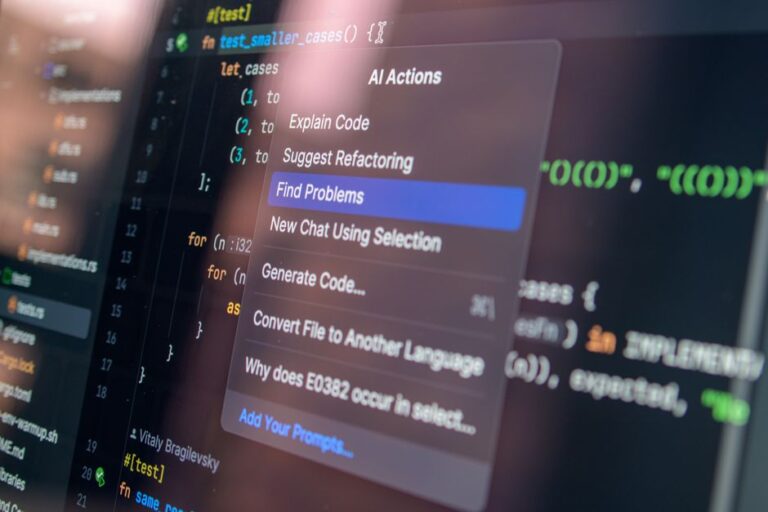
AI-powered code review tools are becoming increasingly sophisticated, using machine learning algorithms to evaluate code quality and provide personalized feedback to developers.
Cloud-based code review platforms are gaining popularity, offering scalable and secure solutions for large teams and enterprises.
Automated code review tools are increasingly integrating with emerging technologies, such as blockchain, Internet of Things (IoT), and artificial intelligence (AI). This will enable developers to create more complex and innovative applications while maintaining high code quality standards.