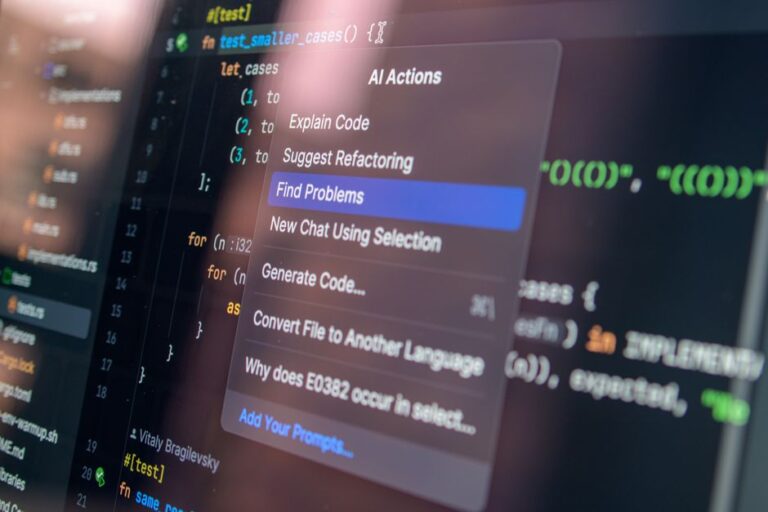
Optimizing Code Quality: A Step-by-Step Guide to Selecting the Perfect Automated Code Review Tool for Your Dev Team's Unique Needs

As developers, we’ve all been there – staring at a messy codebase, trying to make sense of it all, and wondering how it ever got to this point. Code quality is a critical aspect of software development, and yet, it’s often overlooked until it’s too late. But what if you could revolutionize your code quality and ensure that your code is maintainable, efficient, and scalable? The answer lies in implementing automated code review tools. In this article, we’ll explore the world of automated code review tools, their benefits, and how to implement them for stunning results.
Automated code review tools have been around for a while, but their adoption has been slow. However, with the rise of DevOps and continuous integration, the importance of code review has become more apparent. Here are some benefits of implementing automated code review tools:
With so many automated code review tools available, choosing the right one can be overwhelming. Here are some factors to consider:
Here are some popular automated code review tools:
Implementing automated code review tools requires a strategic approach. Here are some steps to follow:
Here’s a comparison of popular automated code review tools:
| Tool | Code Analysis Capabilities | Customization Options | Scalability |
|---|---|---|---|
| CodeClimate | Advanced code analysis capabilities | Customizable review process | Scalable for large teams |
| CodeFactor | Code analysis and review | Customizable review process | Scalable for large teams |
| CodePro | Code analysis and review | Customizable review process | Scalable for large teams |
Revolutionizing code quality is a crucial step in ensuring that your software development process is efficient, scalable, and maintainable. By implementing automated code review tools, you can improve code quality, increase productivity, reduce maintenance costs, and enhance collaboration. Remember to choose the right tool, integrate it seamlessly, configure it to meet your team’s needs, and monitor its performance to achieve stunning results.
A: Automated code review uses tools to analyze code for errors, bugs, and inconsistencies, while manual code review involves human developers reviewing code manually. Automated code review is faster and more efficient, but manual code review can provide more context and insight.
A: When choosing an automated code review tool, consider factors such as integration with version control systems, code analysis capabilities, customization options, and scalability. Evaluate the tool’s features and performance to ensure it meets your team’s specific needs.
A: No, automated code review tools are designed to assist human developers in improving code quality, not replace them. While automated code review tools can catch errors and inconsistencies, human developers are still needed to review and validate the code.
A: The time it takes to implement automated code review tools varies depending on the tool, team size, and complexity of the codebase. On average, it can take several weeks to several months to implement automated code review tools.
A: The benefits of implementing automated code review tools include improved code quality, increased productivity, reduced maintenance costs, and enhanced collaboration. Automated code review tools can also help reduce technical debt and improve code maintainability.
Automated code review tools can help improve code quality and consistency by identifying and flagging potential issues, such as syntax errors, logic errors, and coding standards violations. This ensures that code is written in a consistent manner, making it easier to read and maintain. By catching errors early on, developers can avoid costly rework and reduce the risk of bugs and security vulnerabilities.
Automated code review tools facilitate collaboration and communication among team members by providing a shared understanding of the codebase. This enables developers to work together more effectively, reducing misunderstandings and miscommunications. With automated code review tools, team members can easily review and discuss code changes, ensuring that everyone is on the same page.
Automated code review tools help reduce technical debt by identifying areas of the codebase that require refactoring or rewriting. This enables developers to prioritize and tackle these issues, reducing the burden on the team and minimizing the risk of technical debt accumulation. By addressing technical debt, teams can improve the overall maintainability and scalability of their codebase.
Automated code review tools streamline the development process by automating routine tasks, such as code formatting and syntax checking. This frees up developers to focus on more complex and creative tasks, increasing productivity and efficiency. With automated code review tools, teams can deliver high-quality code faster, reducing the time-to-market and improving overall competitiveness.
Automated code review tools can scale with the growth of the team and the codebase, adapting to changing project requirements and priorities. This ensures that the codebase remains maintainable, scalable, and adaptable to new technologies and frameworks. By leveraging automated code review tools, teams can build a solid foundation for future growth and innovation.
Automated code review tools can integrate seamlessly with existing tools and processes, such as continuous integration and continuous deployment (CI/CD) pipelines, version control systems, and project management tools. This enables teams to leverage their existing infrastructure and workflows, reducing the overhead of implementing new tools and processes.
Automated code review tools can help teams save time and resources by reducing the need for manual code reviews and the associated costs. By implementing automated code review tools, teams can also reduce the risk of costly mistakes, errors, and rework, leading to significant cost savings and a positive return on investment (ROI).
Automated code review tools can facilitate collaboration and communication among team members by providing a centralized platform for code reviews, feedback, and discussion. This can lead to improved code quality, reduced errors, and increased team productivity.
Automated code review tools can help identify and address potential security vulnerabilities, coding standards issues, and performance bottlenecks, resulting in improved code quality and reduced risk of security breaches.
Automated code review tools can scale with the growth of the team and the complexity of the project, providing flexibility to accommodate changing project requirements and workflows.
To maximize the benefits of automated code review tools, teams should follow best practices such as configuring tools to meet specific project requirements, integrating tools with existing workflows, and providing regular training and support to team members.
Teams should establish a continuous improvement cycle by regularly reviewing and refining their automated code review processes, tools, and workflows to ensure they remain effective and efficient.
To demonstrate the value of automated code review tools, teams should track key metrics such as code quality, review efficiency, and cost savings, and use this data to measure the return on investment (ROI) and make informed decisions about tool adoption and implementation.